
How to Use Market Insights to Make Smarter Cannabis Brand Decisions
How to Use Market Insights to Make Smarter Cannabis Brand Decisions
Most cannabis brands guess what customers want. They lose sales and waste shelf space chasing trends without real data. Using cannabis market insights changes the game: you’ll spot demand gaps, optimize SKUs, and set prices that actually move products. Keep reading to learn how RequestWeed combines dispensary data and product requests into smart cannabis brand decisions that grow your business and boost compliance. For more on consumer preferences, check out this article.
Leveraging Market Insights for Cannabis Brands

Tap into the power of real data to transform your cannabis business. Understanding what consumers truly want can be the difference between success and stagnation.
Understanding Cannabis Market Insights
Digging into cannabis market insights reveals hidden opportunities. You can find out what products are in demand, which trends are gaining traction, and where your brand fits in the market. By using data, you avoid guessing and make informed choices that align with consumer desires. This approach helps you stock the right products that sell quickly, reducing waste.
For instance, a brand might notice a rising interest in CBD-infused products. Instead of guessing, they verify this trend through data. By adjusting their product line, they meet demand and increase sales. Learn more about leveraging market insights here.
Making Informed Cannabis Brand Decisions
Smart decisions come from understanding detailed market data. This includes tracking consumer preferences and analyzing competitor offerings. With this knowledge, you can refine your product lineup, ensuring you stay ahead of trends.
Consider a brand that uses market insights to track a competitor's success with a new product line. By studying this data, they determine if it's a fad or a sustainable trend. This level of analysis keeps your brand competitive and relevant.
Benefits of POS Menu Aggregation
Aggregating POS menus provides a comprehensive view of market demand. By combining data from various dispensaries, you gain insights into top-selling products and price points. This information is crucial for making strategic decisions that drive growth.
For example, if data shows a certain strain consistently ranks as a bestseller, you can prioritize it in your inventory. The result is a more responsive and profitable business model.
Discover how POS menu aggregation can benefit your business through this resource.
Harnessing Consumer Demand Signals
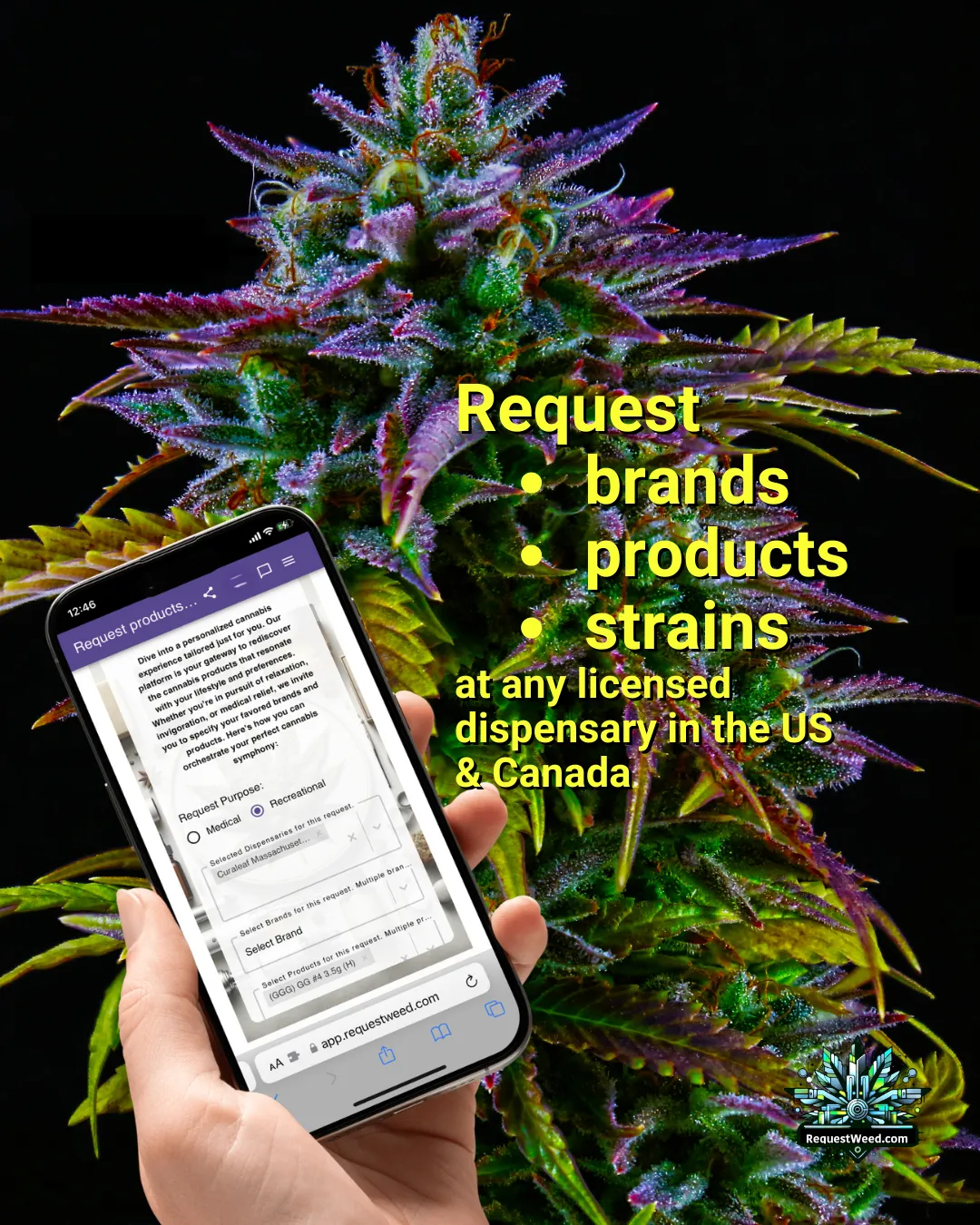
Understanding consumer demand signals can transform your business strategy. By listening to what customers want, you can tailor your offerings to meet their needs.
Impact of Product Requests on Strategy
Product requests offer direct insights into consumer desires. When customers request specific products, it signals what they value. This data helps you adjust your inventory and marketing strategies to align with demand.
Imagine a dispensary receiving repeated requests for a new edibles line. By stocking these products, they not only satisfy existing customers but also attract new ones looking for the same items. This proactive approach keeps your business at the forefront of consumer trends.
Tools for Cannabis Demand Forecasting
Accurate forecasting tools predict future demand, allowing you to plan inventory and marketing efforts effectively. These tools analyze past sales data and current market trends to forecast future needs.
For example, a forecasting tool might predict an increase in demand for vape products during a specific season. By preparing in advance, you ensure your inventory meets customer needs, avoiding stockouts or overstock situations.
SKU Optimization and Price Elasticity
SKU optimization ensures you stock the right mix of products. By analyzing sales data, you can determine which SKUs are top performers and which ones need adjustment. This helps maintain an efficient inventory that maximizes sales.
Understanding price elasticity is equally important. It allows you to set prices that attract customers while maintaining profit margins. For instance, slight price reductions on popular products can boost sales volume, increasing overall revenue.
Activating Retail Success with Data

Data-driven strategies are essential for retail success in the cannabis industry. They guide your actions and ensure you meet consumer expectations.
Retail Activation Cannabis Strategies
Effective retail strategies leverage data to enhance customer experience and improve sales. By analyzing consumer behavior, you can create targeted marketing campaigns that resonate with your audience.
Consider a campaign that uses data to identify popular shopping times and target promotions accordingly. This approach maximizes visibility and encourages purchases during peak hours.
Cannabis Compliance Analytics for Growth
Compliance is crucial in the cannabis industry. Using analytics tools ensures you meet regulatory requirements while optimizing operations. These tools help track product movement and maintain accurate records, reducing compliance risks.
For instance, a dispensary using compliance analytics can quickly identify discrepancies in product tracking, preventing potential legal issues. This proactive approach safeguards your business and promotes growth.
Engaging with Geo Heatmaps and Basket Analysis
Geo heatmaps and basket analysis provide valuable insights into consumer behavior. These tools show you where purchases occur and what products are often bought together.
By analyzing this data, you can tailor your marketing efforts to specific regions or promote bundled products. For example, if heatmaps show high sales in a particular area, you might focus advertising efforts there to boost engagement.
In conclusion, leveraging cannabis market insights and demand signals can transform your brand decisions and retail strategies. By staying informed and responsive to data, you ensure your business remains competitive and compliant. Embrace these insights to fuel growth and success in the ever-evolving cannabis industry.
